What is Auction Reserve Price?
Auction Reserve Price is the minimum price a seller sets for their motorcycle before an auction begins. If bidding doesn't reach this threshold, the motorcycle won't be sold, even if bids were placed. The reserve protects sellers from losing their vehicle below their acceptable price.
TL;DR: The minimum acceptable price a seller sets before auction; motorcycle won't sell if bids fall short.
Key Takeaways About Auction Reserve Price
- Reserve price is confidential and protects the seller from selling below their minimum threshold.
- If bidding fails to meet reserve, the lot is unsold and returns to the seller.
- Reserve differs from opening bid—opening bid starts the auction; reserve is the hidden floor.
- Buyers may see 'Reserve Not Met' status even if bidding occurred during the auction.
- Setting an appropriate reserve encourages bidder participation while protecting seller interests.
Understanding Auction Reserve Price: Definition and Context
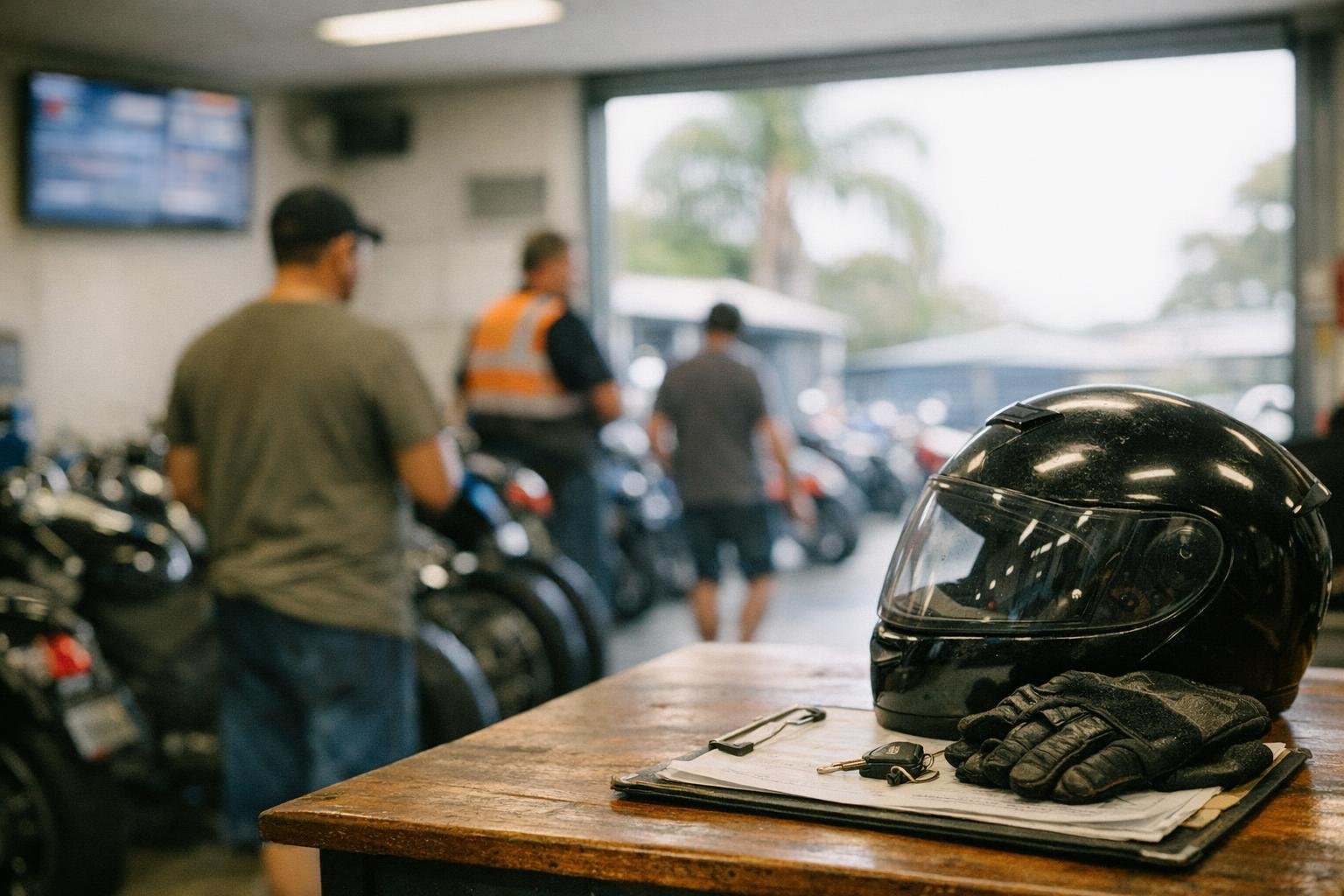
Auction Reserve Price is the minimum price a seller sets. They set it for their motorcycle before the auction starts. This price stays secret during all the bidding. It protects the seller like a safety net. If the final bid doesn't reach the reserve price, the motorcycle won't sell. This is true no matter how many bids there were.
The reserve price is different from the opening bid. The opening bid is where bidding starts. The reserve is a hidden price that must be reached. The sale only completes if the reserve is met. For example, a motorcycle might have an opening bid of $2,000. But the reserve price could be $5,000. Bidders see the opening bid but not the reserve. If the highest bid is only $4,500, the reserve wasn't met. The sale won't happen.
In Australian motorcycle auctions, reserve prices are standard. They protect sellers. They let sellers keep control of their motorcycles. Sellers still get to use the auction process. Auctioneers tell you when a reserve is met. They show this at live events or online.
Why Auction Reserve Price Matters for Motorcycle Auctions Customers

For buyers, understanding reserve price is important. It shows if a motorcycle will actually be sold. A lot marked 'Reserve Not Met' means the seller said no. The motorcycle stays unsold. This honesty helps buyers make smart bidding choices. It helps them understand what might happen.
From our experience in the industry, the reserve price protects sellers. Motorcycles are big investments. Sellers need to know their bikes won't sell too cheap. A good reserve price encourages real bidding. It lets sellers stay in control. This matters a lot in Australia. Motorcycle values change based on condition, rarity, and how many people want them.
How Auction Reserve Price Fits Into Motorcycle Auctions Services in Australia
Motorcycle-auctions.com.au uses reserve price management. It's part of our full auction services. Sellers get help setting good reserve prices. We look at current market conditions. We check the motorcycle's condition too. This helps make sure reserves are fair. They're not too high or too low.
The platform tells everyone about reserve status. This works for online bidders and live attendees. When a reserve isn't met, the seller keeps the motorcycle. They can relist it. They can lower the reserve. They can sell it another way. This flexibility is important. Clear reserve price communication matters too. Motorcycle-auctions.com.au is a trusted marketplace. We serve both buyers and sellers across Australia.
Auction Reserve Price in Practice: A Real-World Example
A seller lists a 2015 Yamaha MT-07 with an opening bid of $3,000 and a reserve price of $6,500. During the auction, bidding reaches $6,200 but stops there. Since the final bid did not meet the $6,500 reserve, the lot status shows 'Reserve Not Met,' the motorcycle is not sold, and the seller retains ownership. The seller may then choose to relist with a lower reserve or negotiate privately with interested bidders.
Sources & Further Reading on Auction Reserve Price
- Australian Consumer Law — Australian Competition and Consumer Commission
- Motor Dealers and Chattel Auctioneers Association (MDCAA) — Industry Standards
Motorcycle Auctions Services Related to Auction Reserve Price
Frequently Asked Questions About Auction Reserve Price
What happens if the reserve price is not met during a motorcycle auction?
If the final bid does not reach the reserve price, the lot is marked 'Reserve Not Met' and the motorcycle is not sold. The seller retains ownership and may choose to relist the motorcycle, adjust the reserve price, or pursue other sales options. Bidders are not obligated to purchase in this scenario.
Can buyers see the reserve price before bidding on a motorcycle?
No, the reserve price is confidential and hidden from buyers during the auction. Buyers see the opening bid and current bid amounts but not the reserve threshold. However, auctioneers will announce when the reserve has been met, signalling that the motorcycle will sell if no higher bids are received.
How should a seller decide on an appropriate reserve price for their motorcycle?
Sellers should research current market values for similar motorcycles, consider their bike's condition, mileage, and rarity, and consult with auction professionals. Setting a realistic reserve encourages genuine bidding while protecting the seller's investment. Reserves that are too high may discourage participation; those too low may undervalue the asset.
Have Questions About Auction Reserve Price?
Contact our motorcycle auctions experts in Australia for professional guidance.