What is Gavel Price?
Gavel Price is the final amount at which a motorcycle sells at auction when the auctioneer strikes the gavel to close bidding. It represents the highest bid accepted and is the price the winning bidder must pay before any additional fees or charges are added.
TL;DR: The final selling price when an auctioneer closes bidding by striking the gavel.
Key Takeaways About Gavel Price
- Gavel Price is the hammer price—the actual bid amount when bidding ends.
- It does not include buyer's premium, taxes, or other auction fees.
- The gavel price must meet or exceed the reserve price for the sale to be final.
- Winning bidders are legally obligated to pay the gavel price plus applicable fees.
Understanding Gavel Price: Definition and Context

Gavel Price is the final amount for a motorcycle at auction. The auctioneer strikes the gavel to close bidding. This price is the highest bid that won.
This price is binding on the winning bidder. The term comes from a traditional practice. Auctioneers use a gavel (a small hammer). They signal the end of bidding with it. It confirms the sale is done.
At motorcycle auctions, gavel price is different from other costs. The gavel price is the core selling price. But buyers must also pay other fees. There's a buyer's premium (extra percentage added). You'll pay taxes, registration fees, and charges too. Understanding this matters for bidders planning budgets.
Based on our work with local clients, the gavel price must meet the reserve price. The seller sets the reserve price first. If bidding doesn't reach it, the auctioneer won't strike the gavel. The motorcycle will not sell then. Once the gavel falls, the sale is final. It's legally binding in Australia.
Why Gavel Price Matters for Motorcycle Auctions Customers
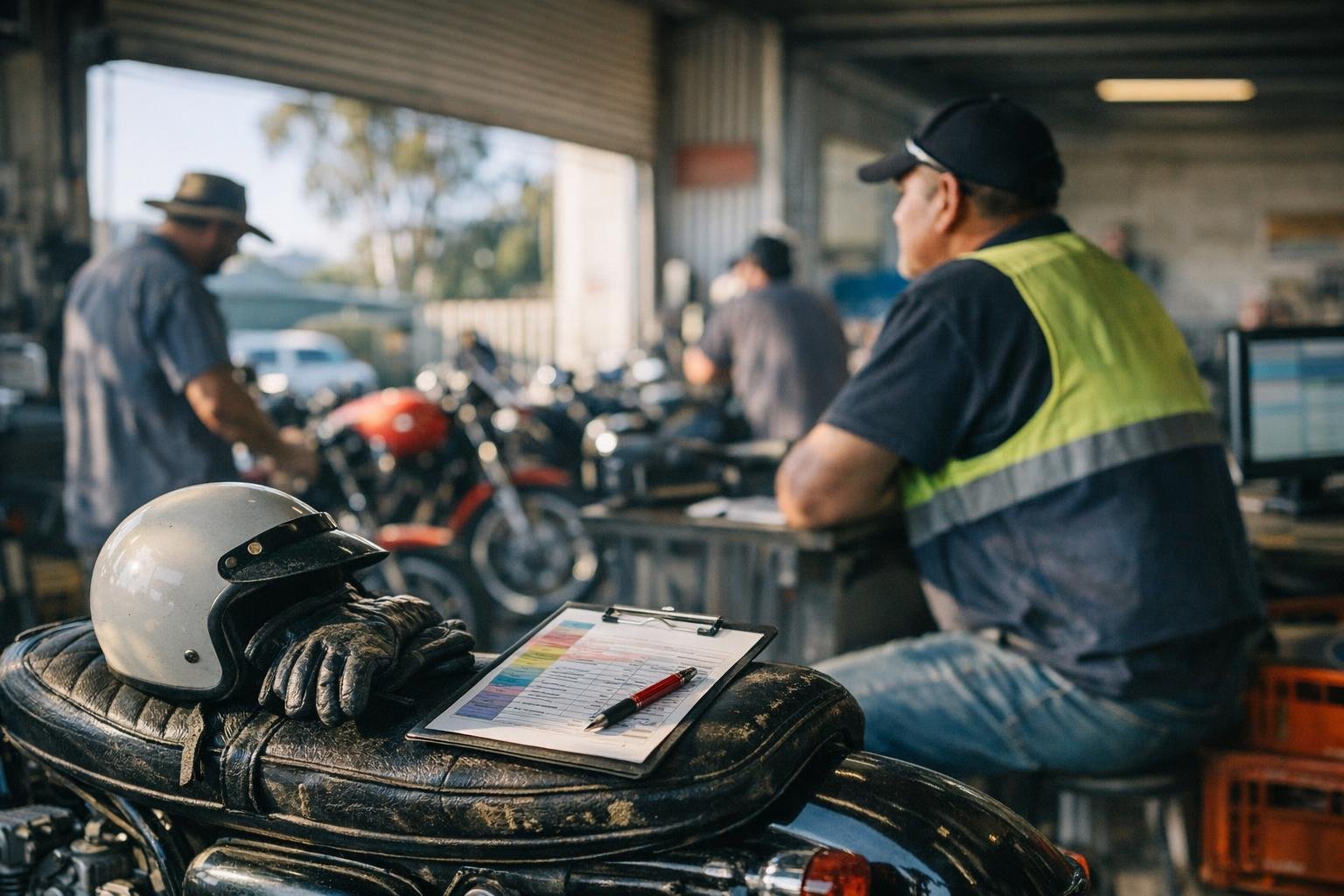
For buyers, gavel price is key to bidding strategy. Knowing it helps you understand market value. You can plan your maximum bid accordingly.
Experienced bidders factor in the buyer's premium. They add other fees to their thinking. They decide how high to bid carefully. This keeps them within their total budget.
For sellers, gavel price determines their net proceeds. Auction fees get deducted from this amount. A higher gavel price means greater returns. Sellers should prepare motorcycles well for this. They should set realistic reserve prices too. Good prices encourage competitive bidding without being too low.
How Gavel Price Fits Into Motorcycle Auctions Services in Australia
In Australian motorcycle auctions, gavel price is official. It's recorded in auction records. It's used for all legal documents. It's used for all financial documents too.
Auction houses use the gavel price for calculations. They calculate buyer's premium with it. They process title transfers using it. They generate winning bid notifications with it. For compliance and taxes, it matters greatly. The Australian Taxation Office recognizes gavel price. State authorities recognize it as transaction value.
Motorcycle-auctions.com.au and other Australian platforms communicate clearly. They show gavel prices to bidders. They provide detailed breakdowns of all costs. They show how gavel price combines with fees. Buyer's premium gets added to the total. Other fees get added too. This creates the total purchase price.
This transparency helps customers make smart decisions. You'll understand your final financial obligations. You can bid with confidence and clarity.
Gavel Price in Practice: A Real-World Example
A motorcycle at auction receives bids of $5,000, $5,500, $6,000, and finally $6,500. When no further bids are offered, the auctioneer strikes the gavel at $6,500. This $6,500 is the gavel price. The winning bidder must then pay $6,500 plus the buyer's premium (typically 10–15%), plus any applicable taxes and registration fees, to complete the purchase.
Sources & Further Reading on Gavel Price
- Australian Auctioneers Federation
- Motor Dealers and Chattel Auctioneers Association (MDCAA)
Motorcycle Auctions Services Related to Gavel Price
Frequently Asked Questions About Gavel Price
Is the gavel price the same as the hammer price?
Yes, gavel price and hammer price are the same thing. Both terms refer to the final bid amount when the auctioneer closes bidding. The gavel price does not include the buyer's premium or additional fees.
Do I have to pay extra fees on top of the gavel price?
Yes. The gavel price is only the base selling price. Buyers must also pay the buyer's premium (usually 10–15% of the gavel price), plus applicable taxes, registration fees, and any documentation charges. Always check the auction terms for the full fee schedule.
What happens if the gavel price is below the reserve price?
If bidding does not reach the reserve price, the auctioneer will not strike the gavel and the motorcycle will not sell. The seller has set a minimum acceptable price, and the auction respects that threshold. Bidders are not obligated to purchase at any price below the reserve.
Have Questions About Gavel Price?
Contact our motorcycle auctions experts in Australia for professional guidance.